Executive functioning: when the hard part is starting, switching, and finishing
Getting out the door by 7:40 is actually a stack of skills. Remembering the steps, starting the first one, staying with it past a distraction, switching to the next without a fight, and noticing when it’s done. Kids who struggle here aren’t lazy and they aren’t being difficult. They’re missing links in that chain, and every morning it snaps in the same places. Those links are teachable.



Services designed and led by Oak & Arrow’s Board Certified Behavior Analysts: Paige Tully, BCBA #1-20-44228, CT license BA.001021, and Tiffany Salvatore, BCBA #1-25-81796, CT license BA.001840. Both came to behavior analysis from the classroom.
What it looks like at your house
- Mornings that need forty prompts.
- Homework that starts at 8pm under protest.
- A backpack that’s a black hole.
- Transitions (screens off, leaving the park, bath time) that trigger a standoff.
- Chores started, abandoned, forgotten.
- Big feelings when plans change.

How we work on it
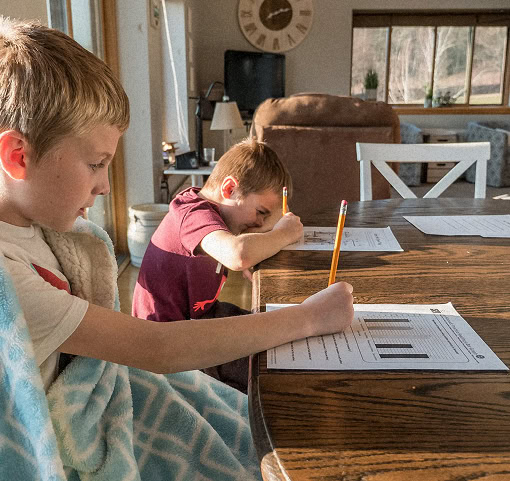
Not with a workbook at a table. We rebuild the actual routines where the chain breaks, one link at a time. That might mean a morning sequence your child can run without you narrating it, a homework start-up ritual small enough to actually start, or transition warnings that make switching feel less like an ambush. Between us, we’ve spent well over a decade in elementary, middle, and high school classrooms watching executive functioning succeed and fail, so we know which supports survive contact with real life and which ones die on the fridge door.
Two buckets, usually. School-facing skills: starting work, organizing materials, planning the long project. Home-facing skills: routines, transitions, and the flexibility to handle a changed plan. Most kids need some of both, and the assessment tells us where to start.
Your part in it
Mostly, learning when not to help. The forty prompts are usually holding the system together, and we can’t remove them until something better is in place. You’ll learn what to build, what to fade, and how to let a small failure happen on purpose while the stakes are low. That last one is the hardest, and we’ll be right there for it.
Questions Parents Ask
Executive functioning challenges travel with autism often, and with ADHD, and sometimes with neither. Our practice centers on children with autism, but if you’re unsure whether your child fits our work, ask. If we’re not the right fit, we’ll say so.
Coaches mostly work on school skills, often over video, often with teens. We work in person, inside the routines themselves, with the behavior analyst’s toolkit: find why the chain breaks, change the setup, teach the link, measure whether it held.
No, and this misunderstanding starts a lot of family fights. Interest carries focus for free. Executive functioning is what’s left when interest isn’t carrying it, and that’s a different skill entirely. The good news: skills can be taught. Interest we borrow where we can.
More of what we work on
Social Skills
Taking turns, reading the room, making and keeping friends. Practiced in real settings, because that’s where friendships actually happen.
Functional Communication
Helping your child ask for what they need, in words, signs, or pictures. For many kids this is where everything else starts.
Behavior Support
Aggression, bolting, transitions that run the house. Every behavior is doing a job for your child. We find the job, then teach a safer, easier way to get it done.
Daily Living Skills
Dressing, brushing teeth, washing hands, cleaning up. Everyday routines, taught step by step until your child can run them on their own.
Parent Collaboration
You’re part of every session, because the plan only works if it keeps working after I leave. Teaching you is part of the job.
Something else going on?
Most of what families bring me doesn’t fit neatly in a box, and the assessment is where we find out what actually helps.
Start with the interest form
Tell me a little about what’s going on. You’ll hear back from me, not an intake department, within 24 business hours.
Interest Form
Stay in the loop
Oak & Arrow will never share or sell your email.