In-home ABA therapy, explained
ABA stands for applied behavior analysis: the practice of understanding why a behavior happens and teaching a better way to meet the same need. In-home means exactly what it says. Sessions happen at your house, inside your actual routines, led by the Board Certified Behavior Analyst who wrote your child’s plan.



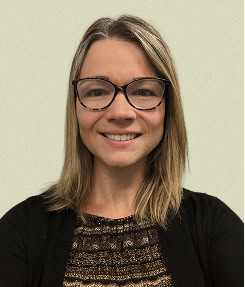
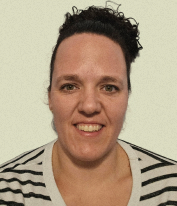
Services designed and led by Oak & Arrow’s Board Certified Behavior Analysts: Paige Tully, BCBA #1-20-44228, CT license BA.001021, and Tiffany Salvatore, BCBA #1-25-81796, CT license BA.001840. Both came to behavior analysis from the classroom.
Why the setting matters
Most of what a child needs to learn has an address, and it’s yours. Mealtimes, mornings, bedtime, sharing space with siblings. When therapy happens where the hard moments actually happen, two problems solve themselves. First, there’s nothing to translate: we work on bath time at bath time. Second, the skills don’t have to survive a trip home from a clinic, because they were never anywhere else.
Home isn’t the right setting for every child, and we’ll tell you if we think a center program would serve yours better. Peer-heavy goals sometimes want a group. But for building daily-living skills, communication, and calmer routines, home is hard to beat.
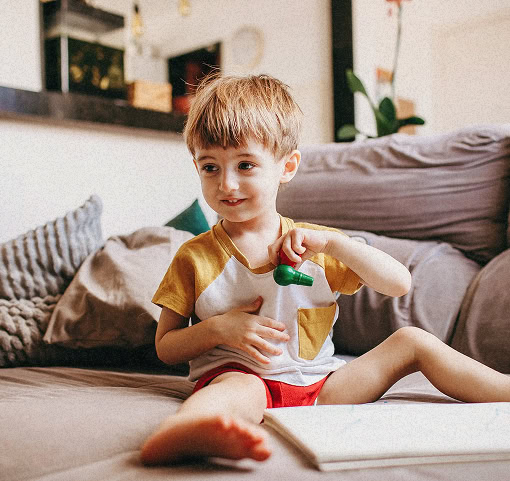
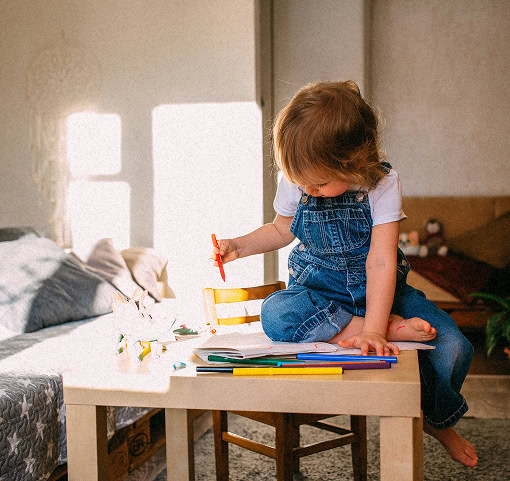
A Tuesday afternoon, for example
We arrive after school. Your kid is doing whatever your kid does at 3:45, which is exactly what we want to see. Early on we mostly watch and join: we want to know what the afternoon asks of your child and where it falls apart. Once there’s a plan, sessions get more structured, but they still look like life. Practicing asking for help during homework. Rehearsing turn-taking with the sibling who always wins. Running the bedtime routine while it’s actually bedtime.
You’re there for all of it. Somewhere in the middle we’ll show you what we’re doing and why, because the strategy that works at 3:45 on Tuesday needs to work at 7:15 on Sunday when we’re not there.
And we take data the whole time, quietly. The word data sounds clinical, but it just means we write down what happened so everyone is steering by facts instead of impressions. We do love a good graph.
Who you’ll see at your door
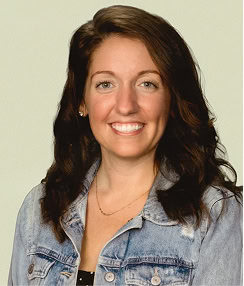
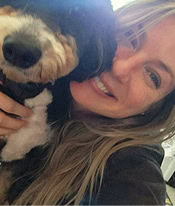
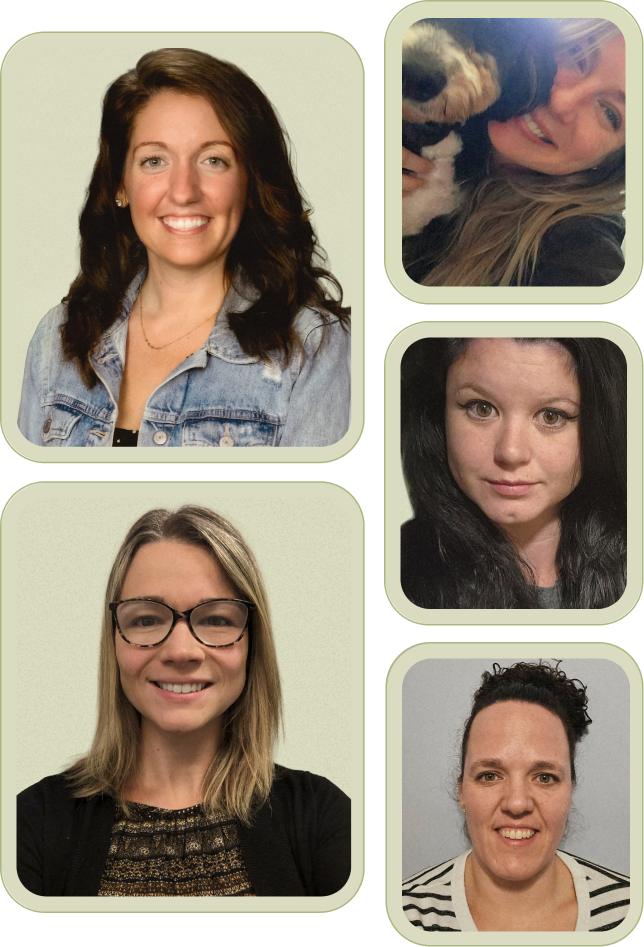
Every family’s care is led by one of our two Board Certified Behavior Analysts, Paige or Tiffany. The BCBA who does your child’s assessment writes the plan and stays on your child’s case the whole way: adjusting it, reviewing the data with you, and coming out to see your child in person. Some sessions may be delivered by one of our Registered Behavior Technicians, Megan Murray or Christina Hundt, trained and supervised by Paige or Tiffany. You’ll meet anyone who works with your child before they start, and you can meet the whole team on our About page.

What we work on
Every child’s plan is built from an assessment, not a menu. These are the five areas most of our work falls into.
Social Skills
Taking turns, reading the room, making and keeping friends. Practiced in real settings, because that’s where friendships actually happen.
Functional Communication
Helping your child ask for what they need, in words, signs, or pictures. For many kids this is where everything else starts.
Behavior Support
Aggression, bolting, transitions that run the house. Every behavior is doing a job for your child. We find the job, then teach a safer, easier way to get it done.
Executive Functioning
Routines, transitions, starting and finishing things. The skills that make school days and mornings work.
Daily Living Skills
Dressing, brushing teeth, washing hands, cleaning up. Everyday routines, taught step by step until your child can run them on their own.
Parent Collaboration
You’re part of every session, because the plan only works if it keeps working after I leave. Teaching you is part of the job.
Something else going on?
Most of what families bring me doesn’t fit neatly in a box, and the assessment is where we find out what actually helps.
The logistics, honestly
You don’t need a therapy room, special materials, or a clean house. A kitchen table and the toys you already own are the tools. Sessions are scheduled around your family’s real windows, including after school, because that’s when home life actually happens. We serve towns within about 30 minutes of Griswold; the full list is on the service areas page.
One line about the future, since families ask: a physical clinic is a someday ambition for Oak & Arrow. Today the practice is deliberately in-home, and everything about it is built for that.
Questions Parents Ask
Yes. That’s not a rule we enforce, it’s the method working as designed. The plan only succeeds if it runs without us, and that means you knowing it as well as we do.
Better for some goals and some kids, not all. Home wins for daily routines, communication in context, and family involvement. Centers win for peer-group work and intensive hours. At the assessment we’ll tell you which we honestly think fits your child, even if the answer isn’t us.
All ages, from 0 to 25. Our team has experience across that whole range, so the plan is built around whatever your child needs support with, at whatever age they are.
Both of our behavior analysts came from classrooms, so helping skills carry between home and school is central to how we write goals. With your consent, we coordinate with your child’s school team. Ask us about your child’s situation on our first call.
Start with the interest form
Tell me a little about what’s going on. You’ll hear back from me, not an intake department, within 24 business hours.
Interest Form
Stay in the loop
Oak & Arrow will never share or sell your email.